17 Jan, 2025
A Comprehensive Guide to Teaching English: Nursery to Grade 7
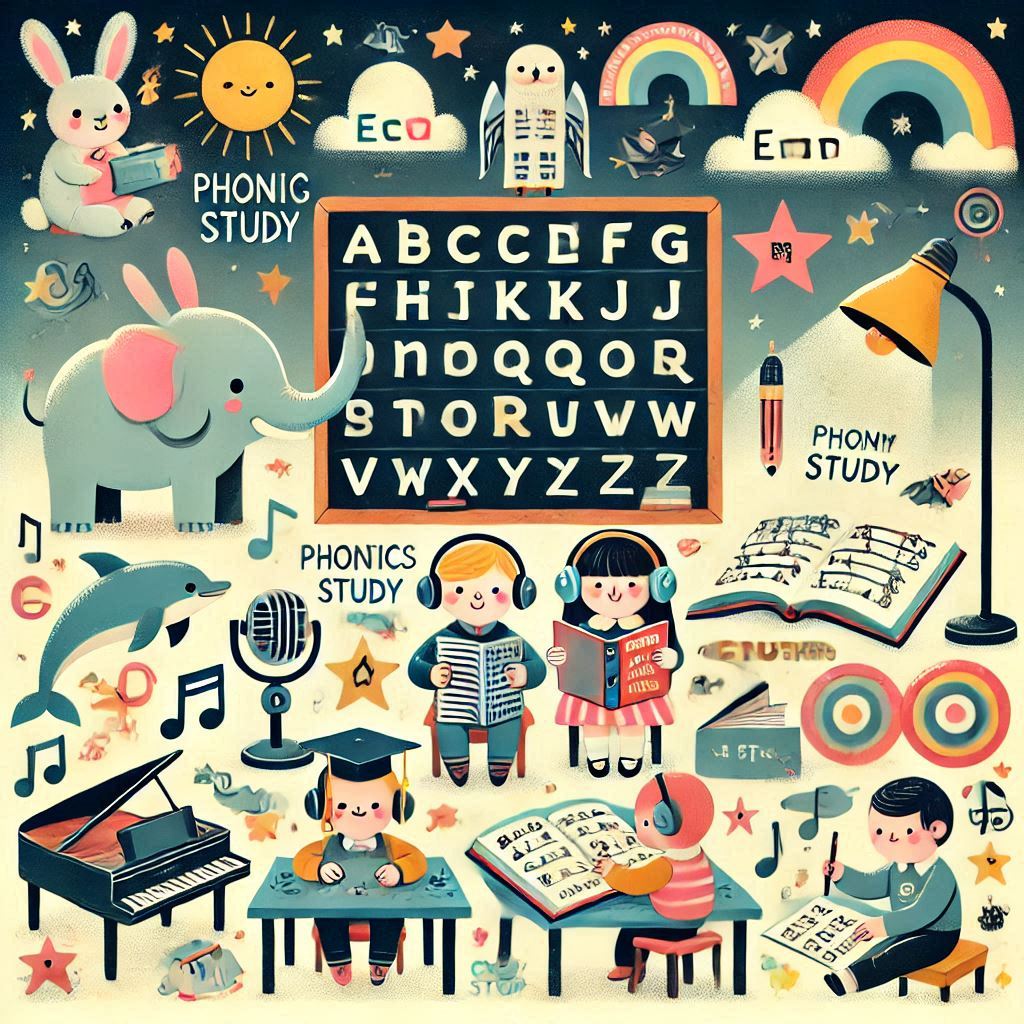
English is more than just a subject; it is the cornerstone of effective communication and academic success. From nursery to Grade 7, the focus on developing language skills grows progressively to build confident and articulate learners. In this blog, we explore how English education evolves at different stages and provide practical tips to support young learners.
English in Nursery and Early Childhood
At the nursery level, the focus is on fostering a love for language. Activities are designed to develop oral language, listening skills, and vocabulary through:
-
Songs and Rhymes: Fun and repetitive songs introduce new words and sentence structures.
-
Storytelling: Listening to stories enhances imagination and comprehension.
-
Interactive Games: Games like "Simon Says" improve listening and following instructions.
Tips for Parents and Teachers:
-
Use simple, clear language when speaking to children.
-
Encourage conversations and answer their questions patiently.
-
Introduce books with vibrant illustrations and simple text.
English in Lower Grades (1 to 3)
As children enter primary school, they begin formal reading and writing. Key skills to focus on include:
-
Phonics: Teaching letter-sound relationships to aid reading and spelling.
-
Sight Words: Building familiarity with high-frequency words.
-
Writing Basics: Learning to form letters, words, and simple sentences.
Classroom Activities:
-
Word games like Scrabble Jr.
-
Short writing prompts for creative expression.
-
Group reading sessions to build confidence.
English in Middle Grades (4 to 7)
In these grades, the focus shifts to developing analytical and critical thinking skills. Students learn to:
-
Comprehend Texts: Summarizing and interpreting various types of content.
-
Expand Vocabulary: Through synonyms, antonyms, and contextual usage.
-
Master Grammar: Using parts of speech, tenses, and punctuation correctly.
-
Write Essays: Crafting structured pieces on different topics.
Tips for Effective Learning:
-
Introduce diverse reading materials, including fiction, nonfiction, and poetry.
-
Encourage journaling to improve writing fluency.
-
Practice spoken English through debates and presentations.
Why English Proficiency Matters
-
Enhances Academic Success: Strong language skills improve understanding across subjects.
-
Builds Confidence: Effective communication boosts self-esteem.
-
Prepares for the Future: Mastery of English opens global opportunities.
Conclusion
Teaching English from nursery to Grade 7 requires a blend of creativity, patience, and structure. By catering lessons to age-specific needs and engaging children with interactive methods, parents and teachers can ensure strong language foundations for lifelong success.

Arihant Coaching
Author Through interactive activities and fun learning methods, children gain confidence in blending, decoding, and recognizing words.