17 Jan, 2025
Boost Your Child's Literacy: The Importance of Phonics Skill Development
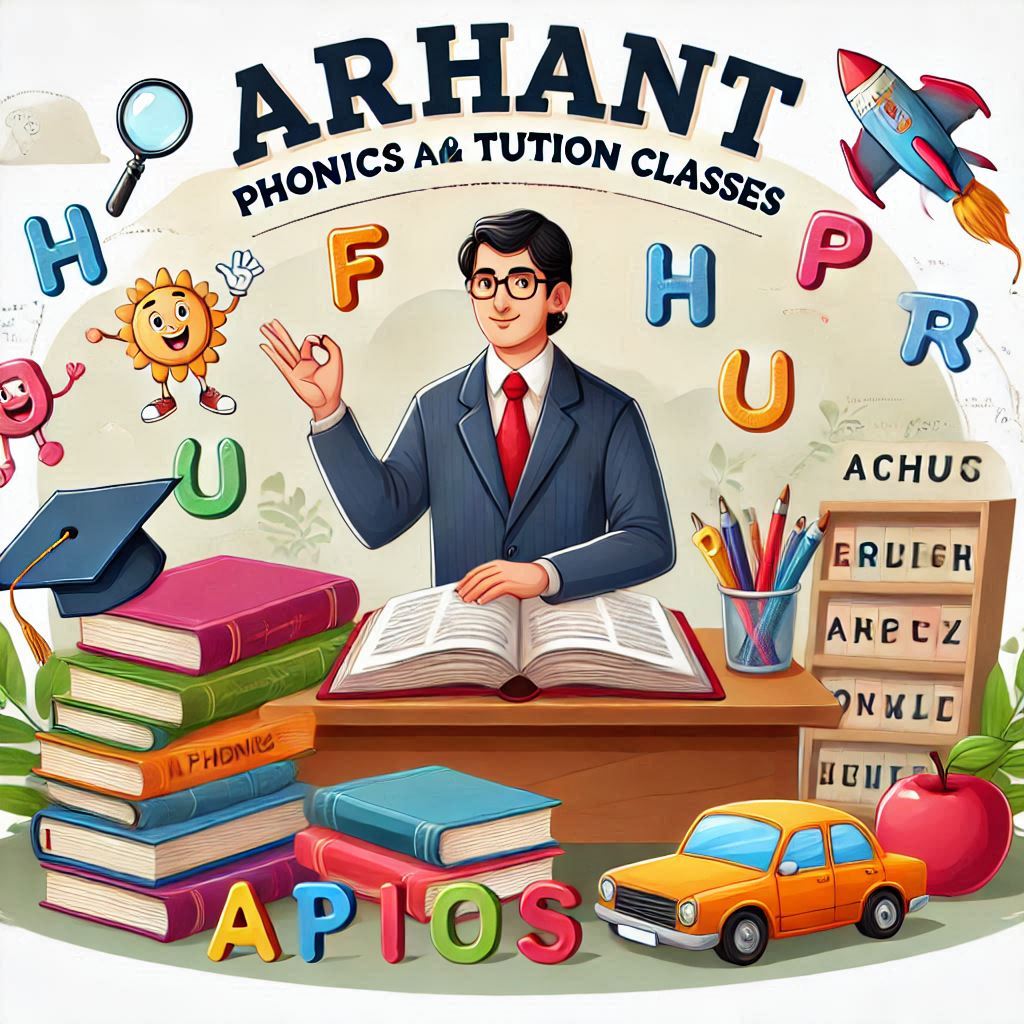
Phonics is a foundational building block in early literacy development. It equips children with the skills they need to connect letters and sounds, which is essential for decoding words and becoming fluent readers. But what makes phonics so powerful, and how can you support your child's journey? In this blog, we will explore the key aspects of phonics and practical ways to nurture these skills in young learners.
What is Phonics?
Phonics is a method of teaching reading that emphasizes the relationship between sounds (phonemes) and their corresponding letters or letter combinations (graphemes). For example, understanding that the sound /b/ is associated with the letter "b" or that "sh" makes the /ʃ/ sound enables children to decode and construct words more effectively.
Why is Phonics Important?
-
Improves Decoding Skills: Phonics helps children break down words into smaller components, making it easier to read unfamiliar words.
-
Enhances Spelling Ability: By understanding sound-letter correspondence, children can spell words with greater accuracy.
-
Builds Reading Fluency: Mastery of phonics leads to smoother, faster reading, which contributes to better comprehension.
-
Lays the Foundation for Writing: Phonics knowledge supports children in writing words and forming sentences correctly.
Stages of Phonics Development
Children typically progress through the following stages as they develop phonics skills:
-
Sound Awareness: Recognizing and distinguishing sounds in spoken language.
-
Letter-Sound Recognition: Connecting letters to their corresponding sounds.
-
Blending: Combining individual sounds to form words (e.g., blending /c/, /a/, /t/ to make "cat").
-
Segmenting: Breaking down words into individual sounds for spelling.
-
Advanced Patterns: Understanding complex sound combinations and irregular spellings (e.g., "ough" in "though" vs. "rough").
Tips to Support Phonics Development at Home
-
Read Aloud Daily: Exposure to books enriches vocabulary and reinforces the connection between spoken and written language.
-
Play Phonics Games: Engage children with interactive games that practice sound and letter matching, such as flashcards or phonics apps.
-
Practice Blending and Segmenting: Use simple words and encourage your child to combine or separate sounds.
-
Incorporate Songs and Rhymes: Songs, nursery rhymes, and poems help build sound awareness in a fun way.
-
Create a Print-Rich Environment: Surround your child with books, labels, and signs to encourage frequent interaction with text.
Conclusion
Developing strong phonics skills is a stepping stone to lifelong literacy. By integrating phonics practice into everyday activities and making learning enjoyable, you can give your child the tools they need to succeed as confident readers and writers. Start today and witness the amazing growth in your child's literacy journey.
Arihant Coaching
Author Through interactive activities and fun learning methods, children gain confidence in blending, decoding, and recognizing words.