22 Jan, 2025
Developing Phonics Skills: A Key to Reading Success
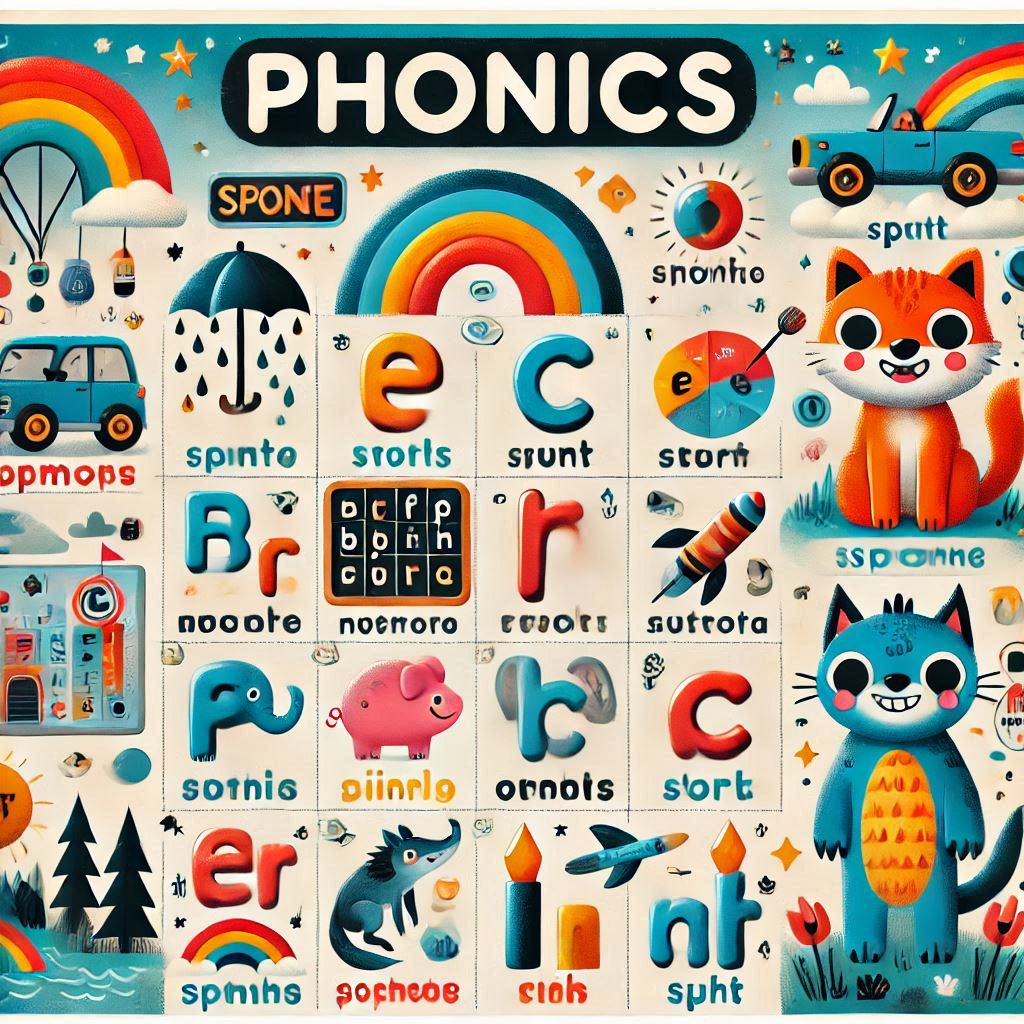
Phonics – The Gateway to Reading and Writing
Phonics forms the foundation of successful reading and writing by teaching learners how letters combine to form sounds and words. Developing phonics skills is critical in early education and remains a crucial aspect of literacy for learners of all ages. In this blog, we will explore the essential components of phonics education, benefits, and strategies to make learning engaging and effective.
What Is Phonics, and Why Is It Important?
Phonics is a method of teaching that emphasizes the relationship between letters and their corresponding sounds. Key elements include:
-
Phonemes: Individual sounds in a language.
-
Graphemes: Written representations of phonemes.
-
Blending: Combining sounds to read words.
-
Segmenting: Breaking words into individual sounds for spelling.
Benefits of Strong Phonics Skills
-
Improves Reading Fluency: Children become more confident readers as they learn to decode words effortlessly.
-
Enhances Vocabulary: Exposure to phonics builds a robust vocabulary.
-
Supports Spelling Mastery: Understanding sound-letter relationships improves spelling accuracy.
-
Builds Comprehension: Fluent reading fosters better understanding of texts.
How to Develop Phonics Skills
1. Introduce Letter-Sound Relationships
Begin with simple, common sounds and progress to complex combinations. Example:
-
Start with single consonants and short vowels (e.g., ‘c’ as in ‘cat’).
-
Introduce blends and digraphs (e.g., ‘ch’, ‘sh’).
2. Use Interactive Activities
Engaging, hands-on activities can make phonics enjoyable:
-
Games: Phonics bingo, matching games, and flashcards.
-
Songs and Rhymes: Reinforce sounds through playful tunes.
-
Crafts: Create letter-based art to build associations.
3. Practice Decoding and Encoding
-
Decoding: Practice sounding out and blending letters to read words.
-
Encoding: Focus on spelling words by breaking them into sounds.
4. Incorporate Phonics in Everyday Life
Reinforce learning during daily activities:
-
Point out words and sounds in signage, books, or packaging.
-
Encourage spelling and pronunciation in conversations.
5. Utilize Phonics Resources
Modern tools make learning accessible and fun:
-
Apps and Software: Interactive tools like ABCmouse or Starfall.
-
Books: Choose phonics-based reading books and leveled readers.
Overcoming Common Phonics Challenges
Challenge: Difficulty Identifying Sounds
-
Solution: Use multisensory techniques like tapping, clapping, or visual cues.
Challenge: Confusing Letter Patterns
-
Solution: Practice tricky combinations separately and reinforce through repetition.
Challenge: Resistance to Practice
-
Solution: Introduce gamified learning to maintain interest.
Phonics for Different Age Groups
Early Learners
Begin with simple letters and sounds. Use songs, rhymes, and colorful visuals to engage them.
Older Students
Focus on complex phonics rules like silent letters and irregular words to refine skills.
Adult Learners
Utilize practical examples and real-world text to develop phonics within meaningful contexts.
Conclusion: Empower Literacy with Phonics
Phonics skills development is an essential step in building strong literacy foundations. By combining engaging techniques with consistent practice, learners can master the art of reading and writing. Parents, teachers, and educators play a pivotal role in making phonics learning an enjoyable and transformative experience. Start today and watch the literacy skills flourish!
Arihant Coaching
Through interactive activities and fun learning methods, children gain confidence in blending, decoding, and recognizing words.