23 Jan, 2025
Developing Phonics Skills in Young Learners
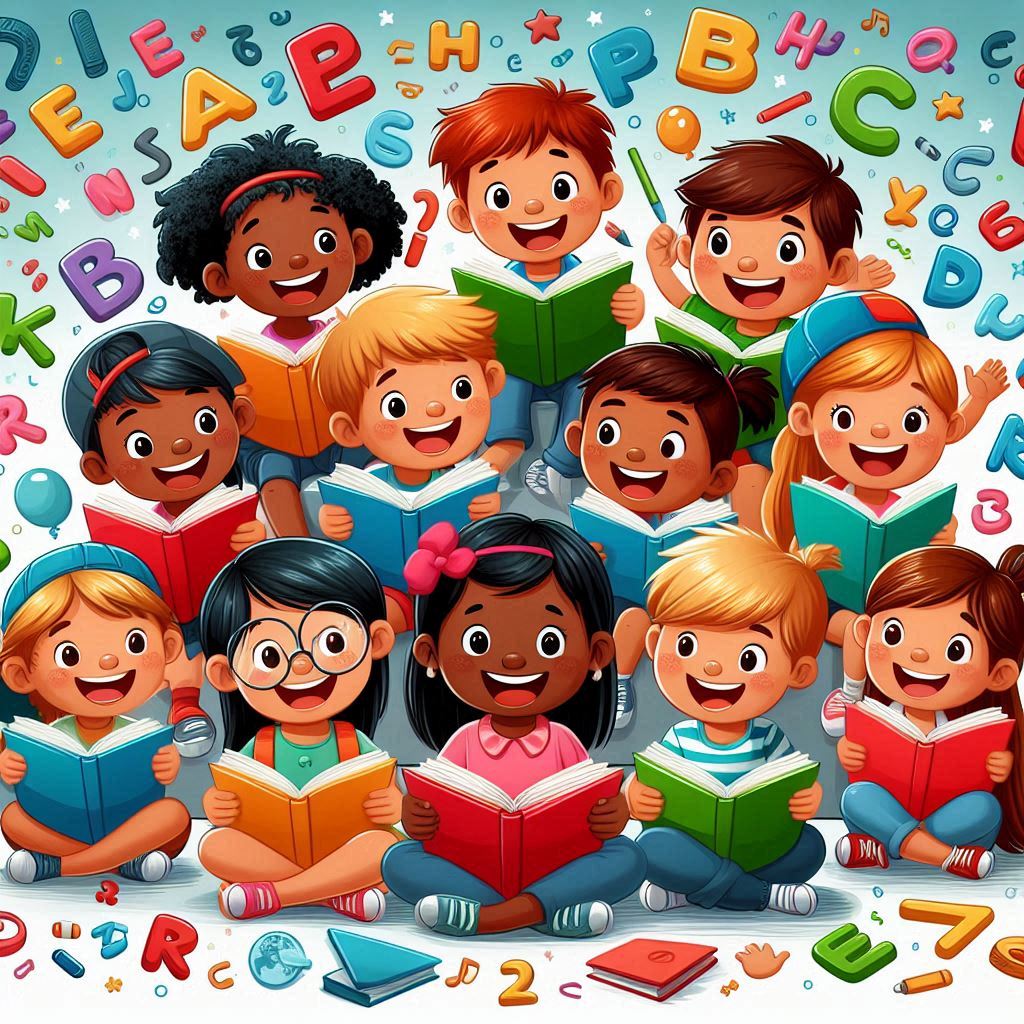
Introduction Phonics is a crucial aspect of early childhood education, helping young learners to decode words and understand the relationship between letters and sounds. Developing strong phonics skills lays the foundation for effective reading and writing. In this blog, we'll explore the importance of phonics, methods to teach phonics skills, and practical activities to engage children in this essential learning process.
The Importance of Phonics Phonics plays a vital role in developing reading fluency and comprehension. By understanding how letters correspond to sounds, children can better decode unfamiliar words, which is essential for independent reading. Phonics also aids in spelling, as it reinforces the patterns and rules of the English language. Ultimately, strong phonics skills contribute to overall literacy and academic success.
Effective Methods for Teaching Phonics
-
Synthetic Phonics: This method involves teaching children to sound out letters and blend them together to form words. It emphasizes the systematic instruction of letter-sound relationships.
-
Analytic Phonics: This approach teaches children to analyze words and break them down into their component sounds. It often starts with familiar words and then moves to individual sounds.
-
Embedded Phonics: Phonics instruction is integrated into reading and writing activities. Children learn phonics in the context of authentic reading and writing experiences.
Practical Activities for Phonics Development
-
Sound Matching Games: Use flashcards or objects to play games where children match letters with their corresponding sounds.
-
Phonics Songs and Rhymes: Engage children with catchy songs and rhymes that emphasize different letter sounds and phonics patterns.
-
Phonics Readers: Provide children with simple books that focus on specific phonics skills. These readers reinforce learning through repetition and context.
-
Letter-Sound Activities: Encourage children to create their own words and sentences using magnetic letters or letter tiles. This hands-on approach reinforces letter-sound relationships.
-
Interactive Apps and Games: Utilize technology with educational apps and games that make learning phonics fun and interactive.
Conclusion Developing phonics skills in young learners is essential for their literacy journey. By using effective teaching methods and engaging activities, educators and parents can support children in mastering phonics and building a strong foundation for reading and writing. With dedication and creativity, we can make phonics learning an enjoyable and rewarding experience for young minds.
Arihant Coaching
Through interactive activities and fun learning methods, children gain confidence in blending, decoding, and recognizing words.