13 Jun, 2025
How to Teach Phonics to Beginners: A Step-by-Step Guide for Parents and Educators
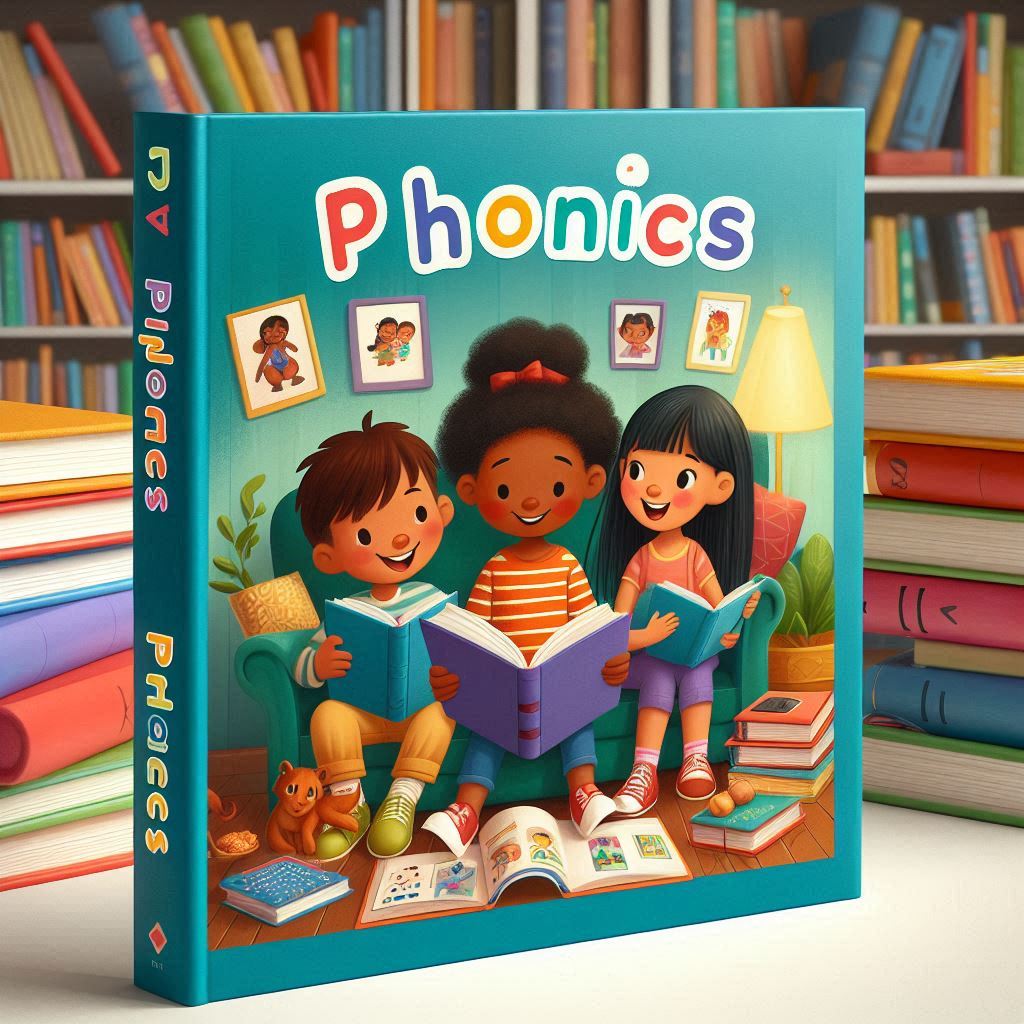
Introduction
Phonics forms the foundation of early reading. For children just beginning their literacy journey, understanding the sounds of letters and how to blend them is essential. Whether you're a parent or an educator, this step-by-step guide will help you introduce phonics to beginners with confidence.
Step 1: Start with Letter Sounds (Not Names)
Begin by teaching the sounds each letter makes (e.g., /s/ for S, /m/ for M) instead of the letter names. This helps children link spoken and written language more naturally.
???? Tip: Use visual aids like flashcards and letter-sound songs to reinforce learning.
Step 2: Introduce Simple CVC Words
Once children know a few letter sounds, introduce CVC (Consonant-Vowel-Consonant) words such as cat, dog, sun. Help them sound out and blend the letters slowly.
???? Activity: Use picture-word matching games or magnetic letters to build and decode words.
Step 3: Practice Blending and Segmenting
Blending (putting sounds together to form words) and segmenting (breaking words into sounds) are crucial phonemic awareness skills.
???? Exercise: Say a word like hat, then break it into /h/ /a/ /t/ or ask them to blend the sounds /p/ /i/ /g/ into pig.
Step 4: Reinforce with Daily Practice
Consistent, short practice sessions are better than long lessons. Integrate phonics into daily routines—label items, read together, or play sound-based games.
???? Tools: Try online games or printable phonics worksheets for interactive learning.
Step 5: Move to Digraphs and Long Vowels
Once children master basic sounds and CVC words, move to digraphs (sh, ch, th) and long vowel sounds (like cake or boat).
???? Challenge: Introduce word families like -ake (bake, make, lake) to show patterns.
Conclusion
Phonics doesn’t have to be complicated—it’s about building blocks. With consistent support, engaging activities, and patience, any child can become a confident reader. Follow these steps and watch your young learner flourish.
Arihant Coaching
Through interactive activities and fun learning methods, children gain confidence in blending, decoding, and recognizing words.