25 Feb, 2025
Phonics Skill Development: A Strong Foundation for Early Literacy
Introduction
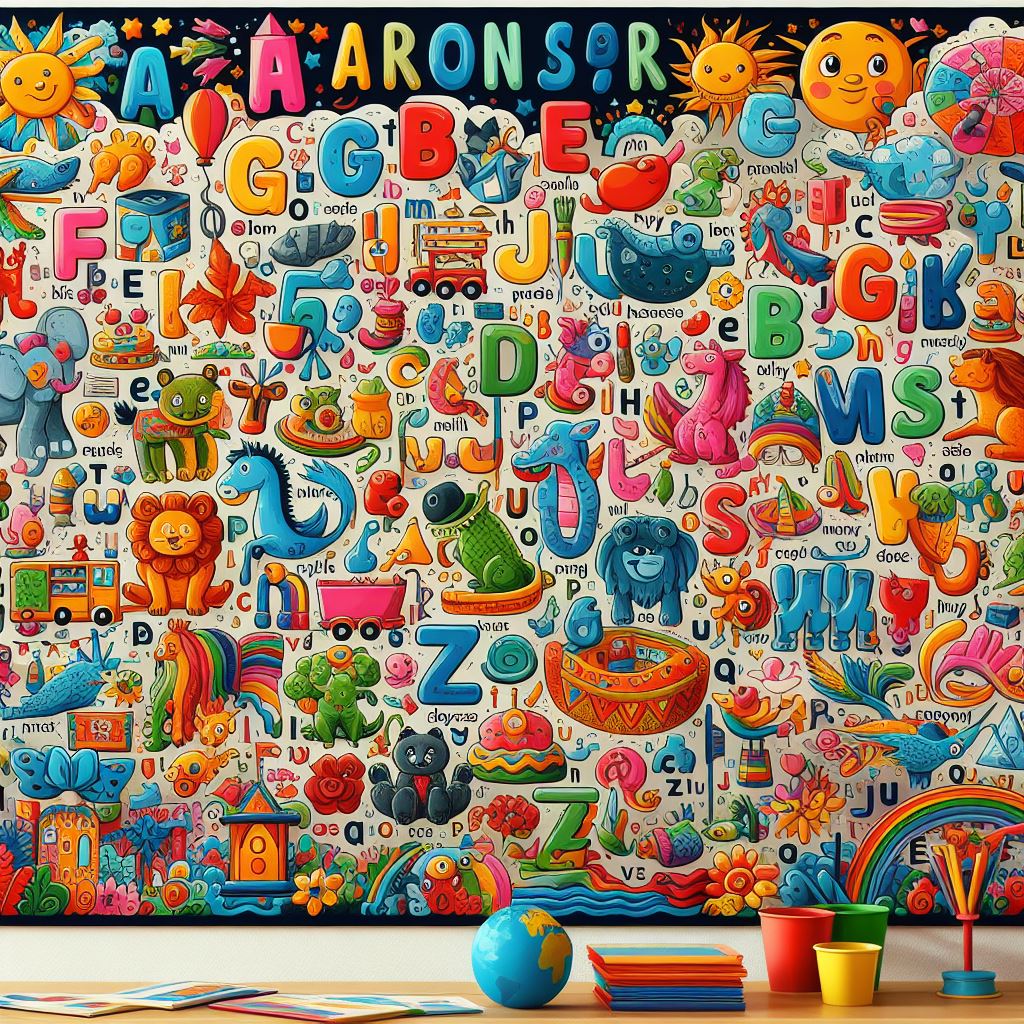
Phonics is the backbone of early literacy. It helps children connect letters with sounds, enabling them to decode words and read fluently. Strong phonics skills not only boost reading comprehension but also lay the groundwork for a lifelong love of learning. In this blog, we will explore the significance of phonics skill development and provide practical tips to make learning engaging for young learners.
Why is Phonics Important?
Phonics instruction teaches children how to recognize letter-sound relationships, which is essential for reading and spelling. Here are some key benefits of phonics:
-
Improves Reading Fluency – Helps children read smoothly and with confidence.
-
Enhances Comprehension – Enables better understanding of texts.
-
Strengthens Spelling Skills – Builds a strong foundation for accurate spelling.
-
Boosts Early Writing Skills – Encourages children to form words correctly.
Effective Strategies for Phonics Skill Development
1. Start with Letter-Sound Recognition
Begin with teaching individual letter sounds before blending them into words. Use flashcards, alphabet charts, and engaging songs to reinforce learning.
2. Use Multisensory Learning Approaches
Children learn best through hands-on activities. Incorporate:
-
Auditory: Phonics songs and rhyming games.
-
Visual: Letter-tracing and colorful charts.
-
Kinesthetic: Sandpaper letters and playdough letter formation.
3. Introduce Word Families
Teaching word families like “-at” (cat, bat, hat) and “-ig” (pig, dig, wig) helps children recognize patterns and decode new words easily.
4. Practice Blending and Segmenting
Encourage children to blend sounds together (c-a-t → cat) and break words into individual sounds (dog → d-o-g). This strengthens their decoding skills.
5. Engage in Interactive Phonics Games
Make learning fun with:
-
Online phonics apps that provide interactive lessons.
-
Board games like phonics bingo.
-
Scavenger hunts where kids find objects starting with specific sounds.
6. Encourage Daily Reading
Reading aloud with children helps them recognize phonetic patterns and sight words. Choose books with repetitive text and rhyming words for added reinforcement.
Phonics Activities to Try at Home
-
Sound Sorting: Categorize objects or pictures based on beginning sounds.
-
CVC Word Building: Use letter tiles to form consonant-vowel-consonant (CVC) words like “sun” and “bed.”
-
Singing Nursery Rhymes: Classic rhymes reinforce phonemic awareness in a fun way.
-
Storytelling with Phonics Focus: Create simple stories emphasizing specific sounds or word families.
Conclusion
Phonics skill development is crucial for early literacy success. By incorporating engaging activities and interactive methods, parents and educators can make learning phonics enjoyable and effective. Consistent practice, patience, and creativity will ensure that children build strong reading and writing skills, setting them up for lifelong academic success.
Are you looking for more phonics-related resources? Subscribe to our blog for expert tips and fun learning activities!
Arihant Coaching
Through interactive activities and fun learning methods, children gain confidence in blending, decoding, and recognizing words.