17 Jan, 2025
The Connection Between Phonics and Reading Comprehension
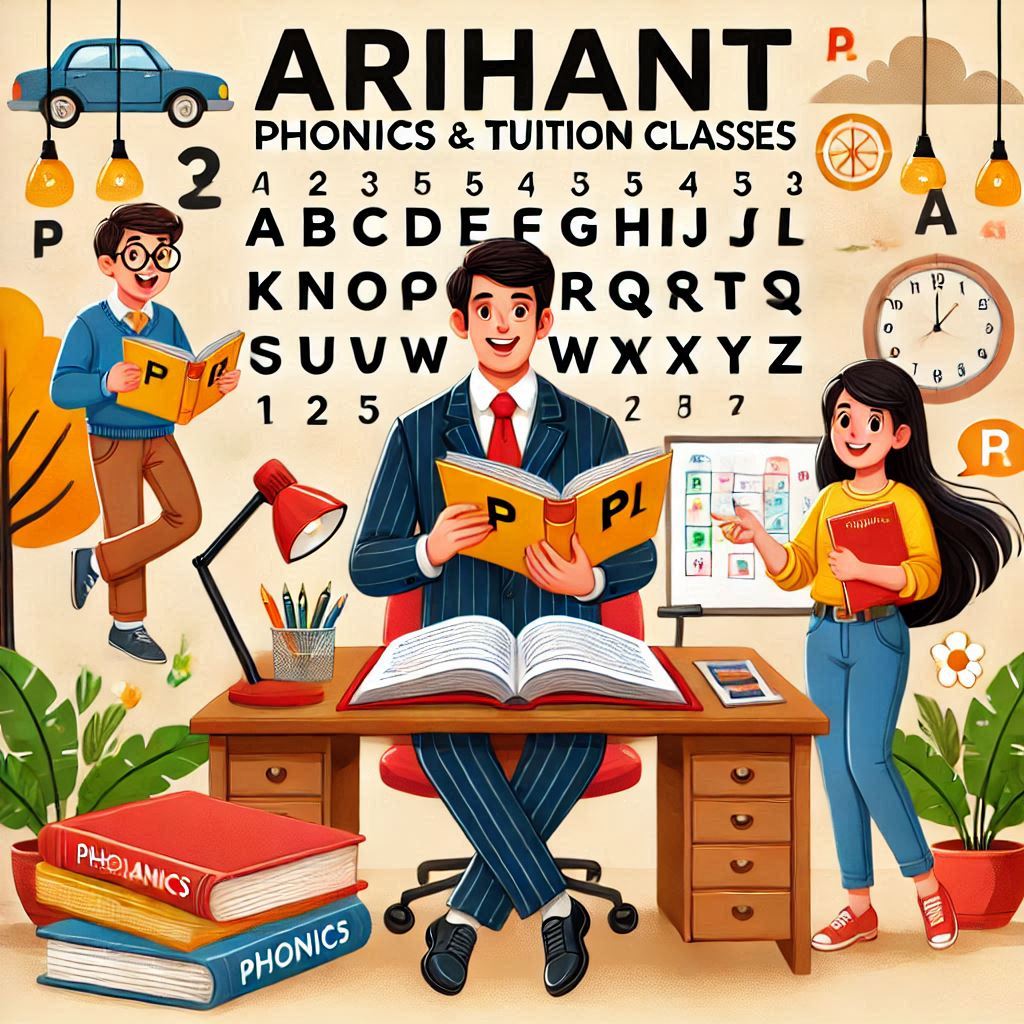
Phonics serves as the cornerstone of early literacy instruction, enabling young learners to decode words and develop their reading skills. While phonics is often associated with learning to read, its impact on reading comprehension is equally significant. Without a strong foundation in phonics, readers may struggle to understand what they’re reading. This blog explores how phonics contributes to reading comprehension and offers strategies to integrate both skills effectively.
How Phonics Supports Reading Comprehension
1. Decoding Words to Access Meaning
Phonics helps readers identify and decode words by connecting sounds to letters and letter combinations. When readers can decode words effortlessly, they’re better equipped to focus on understanding the meaning of a text rather than getting stuck on individual words.
2. Building Fluency for Better Understanding
Fluency—the ability to read with speed, accuracy, and proper expression—is essential for reading comprehension. Phonics instruction develops fluency by enabling readers to recognize words quickly and accurately, reducing the cognitive load required for decoding.
3. Strengthening Vocabulary
Phonics instruction introduces learners to new words and teaches them how to break down unfamiliar ones. This process expands their vocabulary, which is critical for understanding and interpreting texts.
4. Enhancing Cognitive Connections
Phonics encourages readers to analyze word structures and patterns, fostering critical thinking skills. This analytical approach helps readers make sense of complex texts and develop a deeper understanding of written language.
The Role of Phonics in Various Aspects of Comprehension
Literal Comprehension
-
Phonics helps readers understand the basic, explicit meaning of a text by enabling them to decode words accurately.
Inferential Comprehension
-
Once decoding becomes automatic, readers can focus on higher-order thinking skills like making inferences and drawing conclusions from the text.
Evaluative Comprehension
-
Phonics facilitates the processing of unfamiliar or advanced vocabulary, enabling readers to evaluate and critique a text more effectively.
Strategies to Connect Phonics and Reading Comprehension
1. Integrated Phonics Lessons
-
Combine phonics instruction with comprehension-focused activities. For example, after teaching a phonics pattern, have students read a story that features words with that pattern and discuss its meaning.
2. Guided Reading Sessions
-
Use guided reading sessions to reinforce decoding skills while discussing the text’s meaning. Focus on phonics during the first reading and comprehension during subsequent readings.
3. Build Background Knowledge
-
Introduce topics and vocabulary before reading to provide context. This ensures that phonics skills are applied in meaningful ways and enhances understanding.
4. Multisensory Learning
-
Incorporate visual, auditory, and kinesthetic activities to strengthen both phonics and comprehension skills. For instance, pair word-building activities with storytelling or dramatization.
5. Encourage Prediction and Retelling
-
Before reading, ask students to predict what the text might be about. After reading, have them retell the story, incorporating words they decoded. These activities reinforce comprehension and phonics skills simultaneously.
6. Use Graphic Organizers
-
Graphic organizers like story maps or Venn diagrams help students organize their thoughts about a text, ensuring they’re applying both decoding and comprehension skills effectively.
Challenges in Bridging Phonics and Comprehension
Overemphasis on Decoding
-
Focusing too much on phonics can detract from teaching comprehension. Balance is key; ensure that phonics instruction doesn’t overshadow activities that promote understanding.
Struggles with Irregular Words
-
Phonics doesn’t always account for irregular words, which can hinder comprehension. Provide strategies for recognizing and remembering these words to reduce frustration.
Transition to Complex Texts
-
As texts become more advanced, phonics alone isn’t enough. Pair phonics instruction with advanced vocabulary and context-based comprehension strategies to support learners.
Conclusion
Phonics and reading comprehension are deeply interconnected. While phonics provides the tools to decode and recognize words, comprehension ensures that readers can derive meaning and enjoy a text. By blending phonics instruction with comprehension-building strategies, educators can create a well-rounded literacy program that equips learners for both the technical and interpretive demands of reading. When decoding and understanding work hand in hand, the result is confident, capable, and enthusiastic readers.
Arihant Coaching
Author Through interactive activities and fun learning methods, children gain confidence in blending, decoding, and recognizing words.