28 Feb, 2025
The Ultimate Phonics Roadmap: A Step-by-Step Guide to Building Strong Reading Skills
The Ultimate Phonics Roadmap: A Step-by-Step Guide to Building Strong Reading Skills
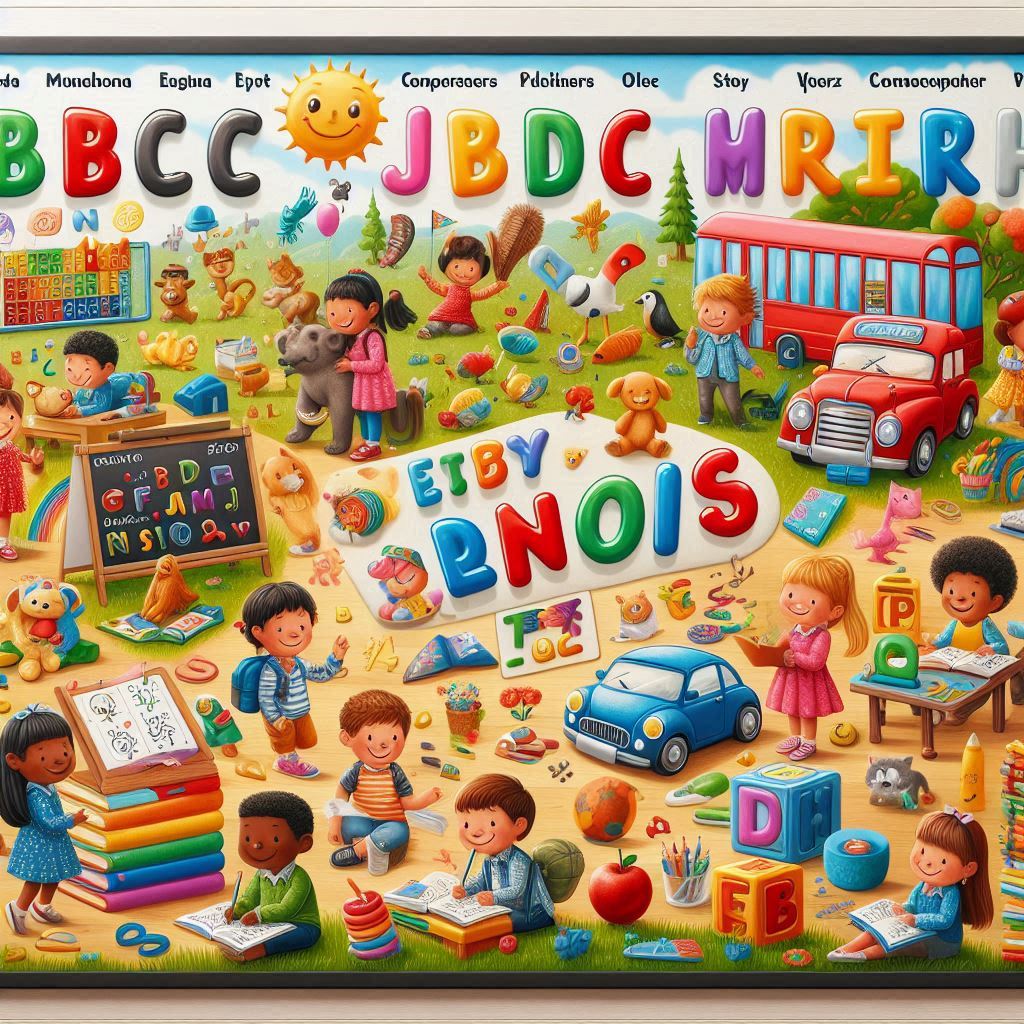
Phonics is the foundation of early literacy, helping children decode words and develop reading fluency. A well-structured Phonics Roadmap ensures that learners progress systematically from recognizing sounds to mastering advanced spelling patterns. Whether you're a parent, teacher, or educator, this step-by-step guide will help you understand the key phases of phonics instruction.
Phase 1: Pre-Phonics (Foundation Stage)
Goal: Develop phonemic awareness and letter recognition.
Key Skills:
✅ Identifying environmental sounds
✅ Recognizing rhymes and syllables
✅ Learning the names and sounds of letters (A-Z)
✅ Basic letter formation through tracing and writing
Activities:
-
Singing nursery rhymes and clapping to rhythms
-
Playing sound games like “I Spy” using phonemes
-
Exploring alphabet books and puzzles
Phase 2: Early Phonics (CVC Words & Blending)
Goal: Recognize letter sounds and blend them to form words.
Key Skills:
✅ Learning consonant and short vowel sounds
✅ Blending sounds to read simple CVC words (cat, dog, bed)
✅ Segmenting words to identify individual sounds
✅ Recognizing early sight words (the, is, in, it)
Activities:
-
Using phonics flashcards for letter-sound recognition
-
Playing blending games like “What’s the Word?”
-
Reading simple phonics books with CVC words
Phase 3: Digraphs & Beginning Sight Words
Goal: Introduce digraphs (two letters, one sound) and expand vocabulary.
Key Skills:
✅ Learning consonant digraphs (sh, ch, th, wh)
✅ Recognizing vowel digraphs (ee, oo, ai, oa)
✅ Understanding simple word families (at, an, op, it)
✅ Expanding high-frequency sight words
Activities:
-
Sorting words by digraphs
-
Playing digraph bingo
-
Practicing phonics readers with simple sentences
Phase 4: Blends & Long Vowel Sounds
Goal: Develop fluency with consonant blends and long vowels.
Key Skills:
✅ Recognizing consonant blends (bl, st, gr, tr)
✅ Understanding the silent 'e' rule (cake, bike, rope)
✅ Learning diphthongs (oi, oy, ou, ow)
✅ Reading simple sentences independently
Activities:
-
Practicing word-building with phonics tiles
-
Playing long vowel matching games
-
Reading phonics-based books with controlled vocabulary
Phase 5: Advanced Phonics (Complex Patterns)
Goal: Master complex vowel patterns and multisyllabic words.
Key Skills:
✅ Recognizing r-controlled vowels (ar, er, ir, or, ur)
✅ Learning tricky vowel teams (ea, ey, ue, ie)
✅ Understanding soft c and g rules (city, gentle)
✅ Decoding multisyllabic words (rabbit, ladder)
Activities:
-
Sorting words by vowel pattern
-
Syllable division exercises
-
Playing phonics board games
Phase 6: Spelling Rules & Reading Fluency
Goal: Achieve independent reading and confident spelling.
Key Skills:
✅ Mastering common spelling rules (drop-e, double consonants)
✅ Recognizing homophones (their/there/they’re)
✅ Improving fluency in reading connected text
✅ Writing simple paragraphs
Activities:
-
Spelling bee competitions
-
Dictation exercises
-
Creative writing prompts using new vocabulary
Final Stage: Reading Comprehension & Vocabulary Growth
Once children have mastered phonics, they should continue expanding their vocabulary and comprehension skills. Encourage reading a variety of books, exploring word meanings, and practicing independent writing.
Next Steps:
???? Continue reading a variety of texts
???? Expand vocabulary with word roots, prefixes, and suffixes
???? Encourage independent reading and writing
Conclusion
A structured Phonics Roadmap provides children with the skills they need to become fluent readers and confident spellers. By following a step-by-step approach, learners can progress naturally from recognizing sounds to reading full sentences with ease. Whether at home or in the classroom, incorporating engaging activities will make phonics learning enjoyable and effective.
???? Tip: Keep phonics lessons fun, interactive, and consistent. With the right approach, every child can become a successful reader!
Arihant Coaching
Through interactive activities and fun learning methods, children gain confidence in blending, decoding, and recognizing words.